

The Atlantic hurricane season officially runs from June 1 through Nov. 30, and the early outlook for 2026 leans calmer than recent years — though forecasters are quick to warn that a below-average season says nothing about who gets hit, as Fox 13 lays out in its season guide.
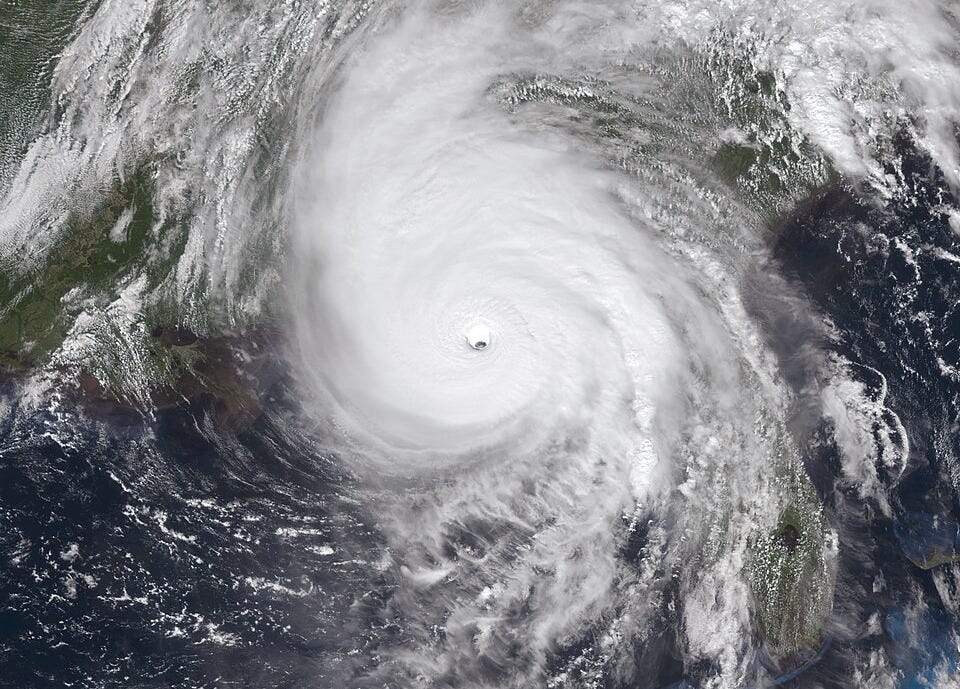
The forecast. Researchers at Colorado State University are calling for a “somewhat below-normal” season of roughly 13 named storms and six hurricanes. NOAA is similarly projecting a below-normal year, with 8 to 14 named storms, three to six hurricanes and one to three major hurricanes. For comparison, a typical season produces about 14 named storms, seven hurricanes and three major hurricanes.
Why quieter. The main driver is a developing El Niño, which is expected to strengthen through the summer and fall. El Niño tends to boost wind shear across the Atlantic — high-altitude winds that can tear apart storms before they organize. The counterweight is that parts of the Atlantic and Gulf remain warmer than normal, which favors development; forecasters simply expect the El Niño effect to win out. CSU pegs the chance of a hurricane making landfall along the Gulf Coast, from the Florida Panhandle to Brownsville, at about 20% — below the long-term average of 27%.
Why it still matters. The 2025 season is the cautionary tale: it generated 13 named storms, five hurricanes and four major hurricanes — three of them reaching Category 5 — yet the U.S. avoided a direct landfall. A slow season can still produce a single devastating storm, which is why officials say preparation shouldn’t wait.
How to get ready:
Build a kit now. Assemble at least a three-day supply of food and water per person, plus medications and supplies, before any storm is on the map.
Fortify the home. Keep drains and gutters clear, consider check valves in your plumbing to prevent backups, and look into hurricane shutters if you don’t have them.
Pack a go-bag for the car. If you may need to evacuate, keep important documents and essentials staged separately so leaving is fast.
Heed evacuation orders. If your zone is told to leave, leave — and note that you often don’t have to drive far to reach safety.
_____________________________________________
Questions? Reach out to us at press@sunshinenewswire.com
Follow us on Facebook!